Wood Heat: Sound Stove Strategies
A wood stove will add to the value of your home. It will also help to reduce its carbon footprint, so if you sell your house a wood stove will make a positive contribution to it's Carbon Footprint survey. Always locate the stove in the space you want to keep the warmest. Install a new chimney straight up through the warm space of the house, not on an outside wall as you lose the benefit of the chimney heat.
When you go shopping for a woodstove you will have three main sources of information to help with your decision. First is the manufacturer's literature that gives performance specifications. Second is the advice you receive from the various stove dealers you visit and third will be a trusted recommendation from someone who has that model. A good dealer can be your most valuable resource, but beware of dealers who don't heat their own houses with wood.
Types of Wood Heating Units.
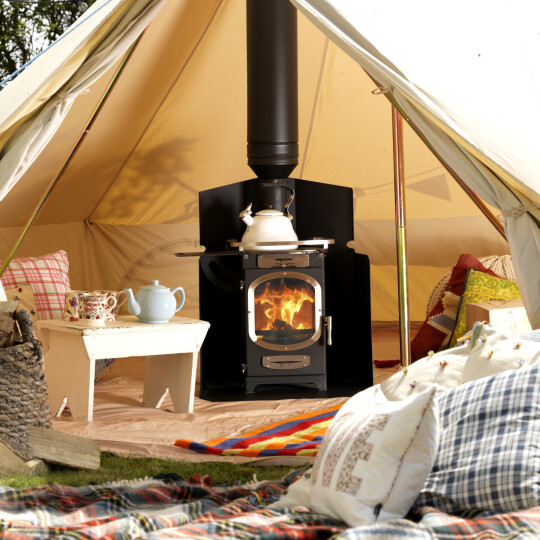
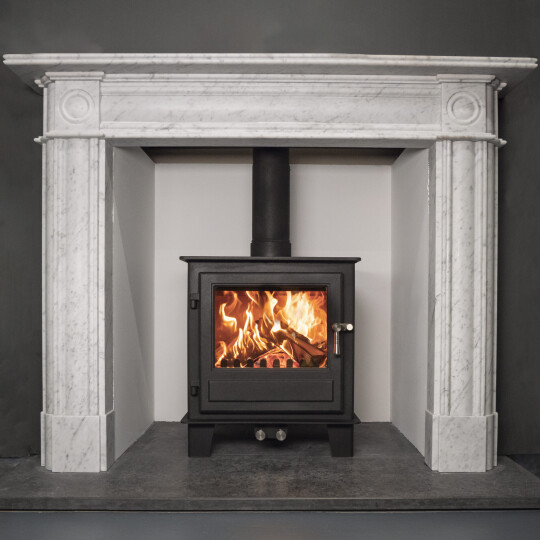
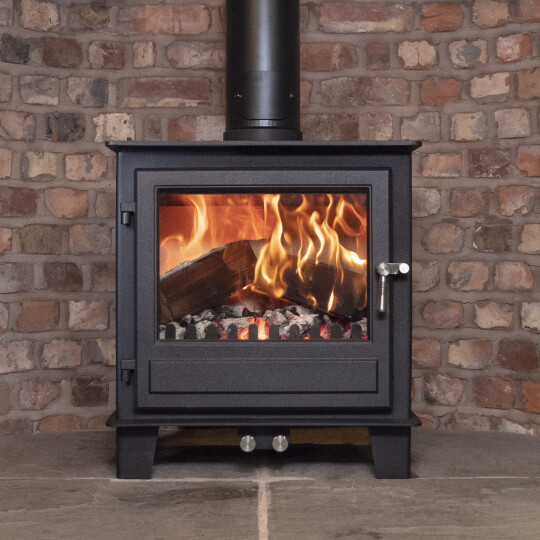
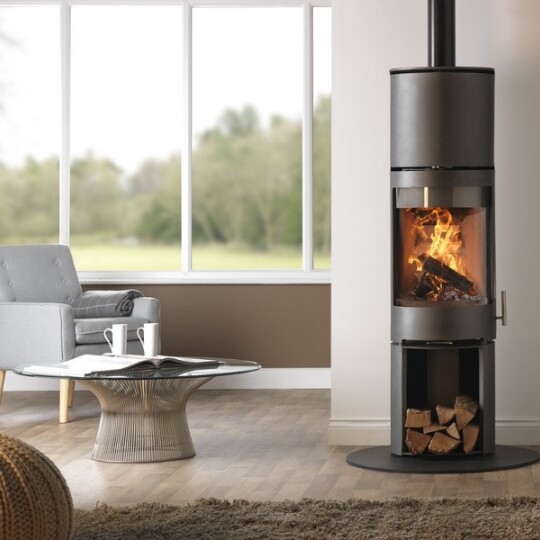
Wood stoves are by far the most popular wood-heating option, with the lowest cost and most flexible clean burning and high efficiency. Fireplace inserts or hearth mount stoves are wood stoves modified (by the manufacturer) to fit into, or in front of, an existing fireplace; clean burning and high efficiency; converts a smoky, inefficient fireplace into an efficient heater.
Pellet stoves automatically burn compressed wood pellets; some models burn corn; more convenient, with unattended operation for up to 24 hours; more costly to operate than wood stoves due to purchase price, fuel cost and maintenance; most need electricity to operate, so they are not an emergency heat source.
Eco Stove, a new very high efficiency wood burner that uses silicon carbide to store heat. A combination of wood stove and storage heater It is designed to be the heart of your home and keep it warm by day and night.
A high-efficiency factory-built fireplace looks like a fireplace but performs like a wood stove; clean burning and high efficiency; heat can be ducted to other rooms; good heating option in larger homes
Masonry heaters burn fast and store heat for later use; clean burning and reasonably high efficiency; specialized operation: a new fire must be built for each heating cycle; high initial cost
Cook stoves efficiency tends to be low; not good for serious space heating; great for some kinds of cooking.
Wood furnaces and boilers mostly have low efficiency; suitable for large, older houses with many small rooms , nevertheless there are new experimental designs that use wood or chips for large scale space heating.
Outdoor boilers include a large firebox surrounded by a water jacket; located in a shed outside; heated water is pumped underground to house; the combustion system is usually simple or nonexistent; controversial because of high smoke emissions; suitable for remote areas, particularly when heating more than one building
Conventional fireplaces are made with masonry or factory-built metal; so efficiency is low; open fireplaces without doors tend to smoke into the room; they may be suitable for casual heating in warm climate zones but you know, you've been there, smelt it all too often.
SOME GOOD ADVICE
and a cautionary tale.
Do you need permission?
This will depend on the nature and extent of your installation, if you are installing a stove and need to build a new chimney then you will need to go through the planning and building regulations. The UK Planning Portal gives excellent and clear advice. http://www.planningportal.gov.uk/
However if you are just installing a stove in an existing fireplace or it is a relatively simple installation the process is simpler though the installation must still comply with Building Regulations Part J which deals with combustion appliances.
You can view them here :- Building Regs Part J (pdf)
If your building work consists only of the installation of certain types of services or fittings (e.g. some types of drain, fuel burning appliances, replacement windows, WCs, and showers) and you employ an installer registered with a relevant scheme. That installer may be able to "self-certify"; so you will not need to involve a Building Control Service. However, this concession is strictly limited to the specific type of installation described and does not cover any other type of building work.
View this lnk on the www.planningportal.gov.uk
We are HETAS registered and our work is certified as competent good workmanship, we always do a risk assessment for you and we will ensure that the work meets the required specifications.
It will therefore not need certification by Building Control. You can trust us to make sure the work is safely installed and fit for your purpose and will satisfy the demands of your insurer.
HETAS is the independent UK body recognised by government to approve official testing and approval of domestic solid fuels, solid fuel burning appliances and associated equipment and services. We are allowed to self-certify that the installation of a solid fuel burning combustion appliances meets the requirements of the Building Regulations. For more information on HETAS, please see: www.hetas.co.uk

See also:-